
Post‑Discharge Care for Adults in Boston Area
Recovering from a hospital stay is no easy feat, especially for older adults or individuals with complex medical needs. Once discharged, many face the daunting reality of continuing care — medication, mobility, therapy, and monitoring — without the hospital’s constant supervision. This is where post‑discharge care provided by nursing homes steps in as a critical bridge between hospital and home.
For residents of the Boston area, choosing the right post‑hospital care facility can significantly affect a loved one’s recovery journey. Skilled nursing homes offer structured, compassionate, and professional environments tailored for rehabilitation and long‑term recovery. Let’s dive into the vital role nursing homes play in post‑discharge care and what families in Boston should expect.
Why Post‑Discharge Care Matters
Leaving the hospital doesn’t mean a person is fully recovered. Many patients still require a high level of care, whether they’ve undergone surgery, suffered from a stroke, or managed chronic illness. Post‑discharge care helps by:
Preventing hospital readmission
Ensuring proper medication and treatment adherence
Providing physical, occupational, or speech therapy
Supporting emotional and social well-being
Offering round-the-clock skilled nursing care
When that care is provided in a nursing home setting, adults receive the attention they need in a structured, secure, and compassionate environment.
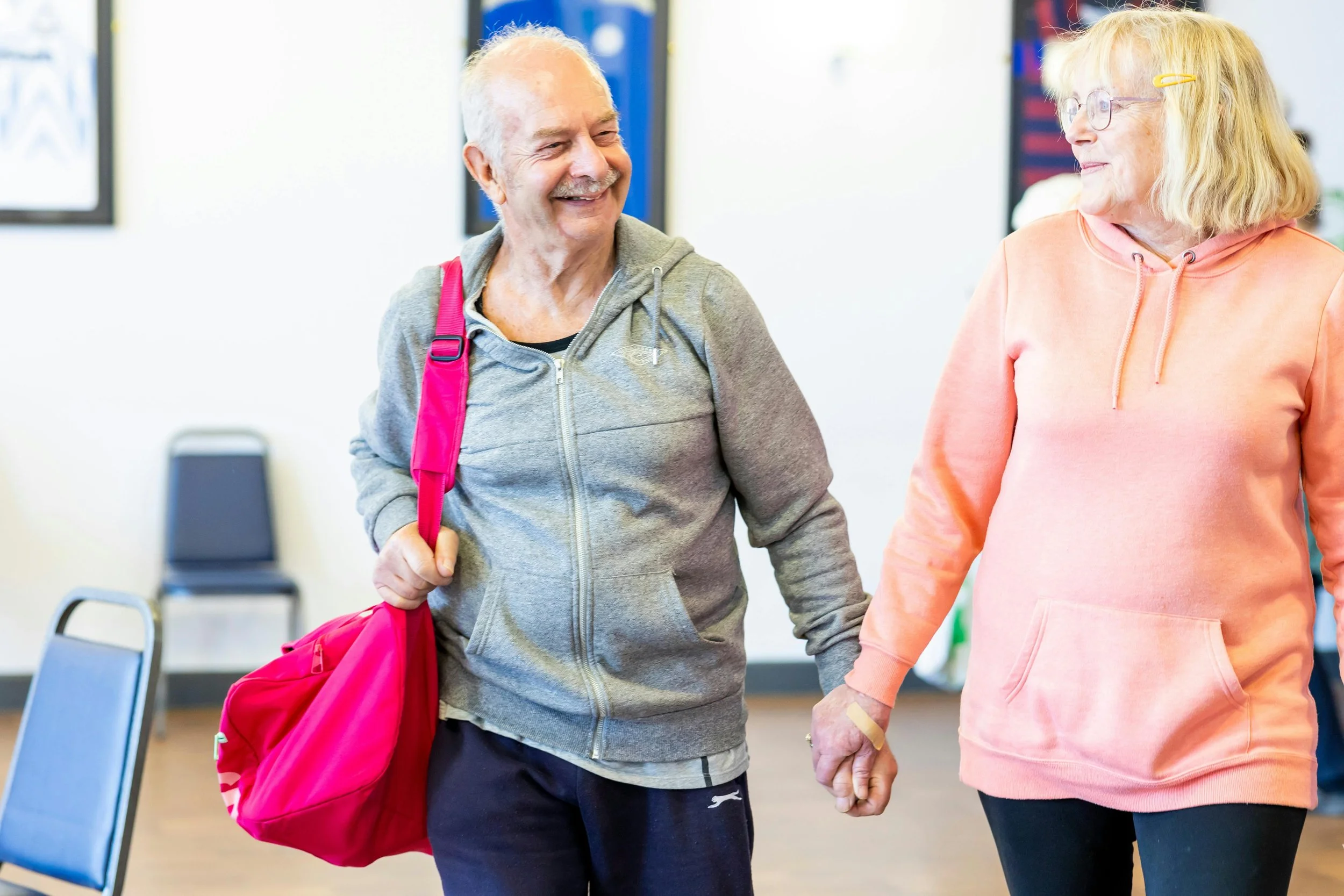
Post-Discharge Care In Boston
Core Services Provided in Nursing Homes for Post‑Discharge Patients
Nursing homes are equipped with professional staff, therapeutic facilities, and recovery-focused environments that go beyond what’s possible at home. Here's what they typically offer:
Skilled Nursing Care
Licensed nurses are available 24/7 to manage:
Medication schedules
Wound care
Pain management
Chronic condition monitoring (e.g., diabetes, heart disease)
IV therapy and injections
Rehabilitation Services
Tailored programs help patients regain strength, mobility, and independence through:
Physical therapy: Focuses on improving movement, balance, and strength
Occupational therapy: Helps individuals perform daily activities like bathing or cooking
Speech-language therapy: Assists with communication and swallowing disorders post-stroke or surgery
Care Coordination and Discharge Planning
Nursing homes often work closely with hospitals, primary care providers, and families to ensure seamless transitions. This includes:
Setting recovery goals
Coordinating specialist visits
Arranging transportation for medical appointments
Preparing for eventual discharge back home, if appropriate
Holistic Support: Mental, Emotional, and Social Health
Post‑discharge recovery isn’t just about physical healing. Nursing homes support the full spectrum of adult health by including:
Recreational therapy: Music, art, group games, and outings
Nutritional planning: Dietitian‑approved meals tailored to medical conditions
Counseling and social services: Assistance with emotional transitions, family engagement, and community reintegration
Spiritual care: For residents who find comfort in faith-based services or counseling
What Makes Post‑Discharge Care in Boston Unique
Boston’s medical community is among the best in the world, but recovery doesn’t end when patients leave the hospital. The region’s nursing homes are well‑versed in caring for patients from renowned hospitals like Massachusetts General, Brigham and Women’s, and Tufts Medical Center.
Nursing homes in and around Boston:
Are closely connected with these hospitals
Follow rigorous standards set by state health departments
Often have specialized units for cardiopulmonary rehab, stroke recovery, and memory care
These facilities understand the complex needs of adults recovering in urban and suburban settings.
How to Choose the Right Post‑Discharge Nursing Home in Boston
Choosing a nursing home is a critical decision. Here's what families should consider:
Licensing and Accreditation: Ensure the facility is Medicare/Medicaid certified
Care Services Offered: Match services with the patient's medical needs
Staff-to-Resident Ratio: Higher ratios often mean more personalized care
Therapy Availability: In-house therapy ensures continuous recovery
Location and Access: Proximity to family, hospitals, and specialists
Cleanliness and Environment: Visit to assess hygiene, friendliness, and comfort
Resident Reviews: Look at ratings on Medicare’s Care Compare or local platforms
Benefits of Nursing Home-Based Post‑Discharge Care
Families often ask: “Why not home care?” While home care offers familiarity, nursing homes provide structured recovery benefits:
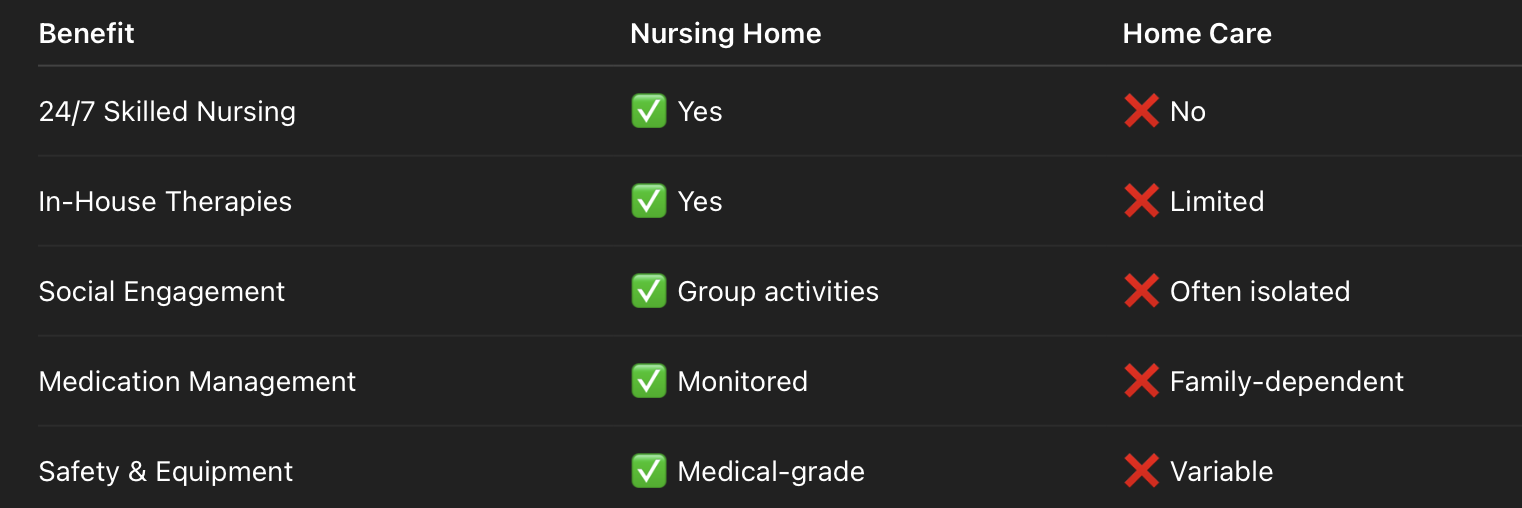
Benefits of Nursing Homes in Boston
For adults needing comprehensive, multi-disciplinary care, nursing homes often provide a more reliable, results-driven recovery environment.
Summary
Post‑discharge care is an essential stage in an adult’s recovery — and when done right, it can be life-changing. Nursing homes in the Boston area are uniquely positioned to offer professional, compassionate, and comprehensive support for adults transitioning out of the hospital.
With services that combine medical excellence, personal care, and emotional healing, nursing homes provide far more than just a place to rest — they become active partners in recovery. If your loved one is facing a hospital discharge and needs time to heal, exploring post‑discharge care in a skilled nursing facility could be the best next step.
If your family is planning care after a hospital discharge, contact BHCC Nursing & Rehab in Milton to discuss skilled nursing care and rehabilitation.
FAQs
What types of patients benefit from post‑discharge care in a nursing home?
Adults recovering from surgery, stroke, orthopedic injuries, infections, or chronic disease complications are ideal candidates.
How long does post‑discharge care usually last?
It depends on the condition — stays can range from a few weeks to several months, based on progress and rehabilitation goals.
Is post‑discharge care covered by insurance or Medicare?
Yes, Medicare often covers short-term stays in skilled nursing facilities if criteria are met, including a qualifying hospital stay.
What is the difference between short-term rehab and long-term care?
Short-term rehab focuses on recovery and return home. Long-term care supports residents with ongoing health needs.
Can families visit during recovery?
Yes, most Boston nursing homes encourage regular visitation and family involvement in care planning.
Do nursing homes offer bilingual or multicultural services?
Many Boston facilities cater to diverse populations and offer multilingual staff and culturally sensitive meals or activities.